
Overview
Breast augmentation increases size and shape with implants or, in selected cases, your own fat. Breast reduction removes tissue and skin to reduce size and relieve symptoms. A breast lift repositions the breast and nipple without necessarily changing size. Combinations are sometimes appropriate.
The choice of procedure, implant type and size, incision placement and whether a lift is needed are all decided with you at the consultation.
Procedures
- AugmentationImplants or fat transfer
- ReductionSmaller, lighter breasts
- Lift (mastopexy)Reshaping and repositioning
- CombinedLift with augmentation or reduction
Who is it suitable for?
Adults in good general health with fully developed breasts, realistic expectations, and no active breast disease. Pregnancy, breastfeeding plans and future changes in weight affect timing and are discussed. Smokers are asked to stop for the period the surgeon specifies.
Surgery is only offered after the surgeon has assessed you in person and you have had time to consider the information.
What happens
- ConsultationThe surgeon examines you, discusses your goals and explains the options, limits and risks. Photos are taken for your medical record only.
- PlanningPre-operative tests and instructions are arranged. You receive a written plan and consent form.
- SurgeryPerformed at a licensed partner hospital under the anaesthesia agreed with you. The length of the operation depends on the procedure.
- RecoveryYou go home with written instructions and scheduled follow-up visits with your surgeon.
Results and how they develop
Swelling and implant position settle over the following months; scars fade over a longer period. Implants are not lifetime devices and may need to be replaced or removed in the future; this is explained at the consultation.
Results vary from person to person.
Recovery
A support garment is worn for the period specified. Discomfort is managed with prescribed medication. Lifting, exercise and sleeping position are restricted for a period set by your surgeon. Follow-up visits are scheduled to check healing.
Return to work depends on the procedure and your surgeon's advice.
Risks and complications
All surgery carries risks, including those of anaesthesia. Your surgeon discusses every risk, and how it is managed, at the consultation before you consent.
Common
Swelling, bruising, discomfort, temporary changes in nipple sensation, scars that fade over time.
Uncommon
Bleeding, infection, fluid collection, asymmetry, poor scarring, changes in the ability to breastfeed.
Implant-specific
Capsular contracture, implant rupture or rotation, rippling, the need for future surgery; rare implant-associated conditions are explained at the consultation.
Your doctor
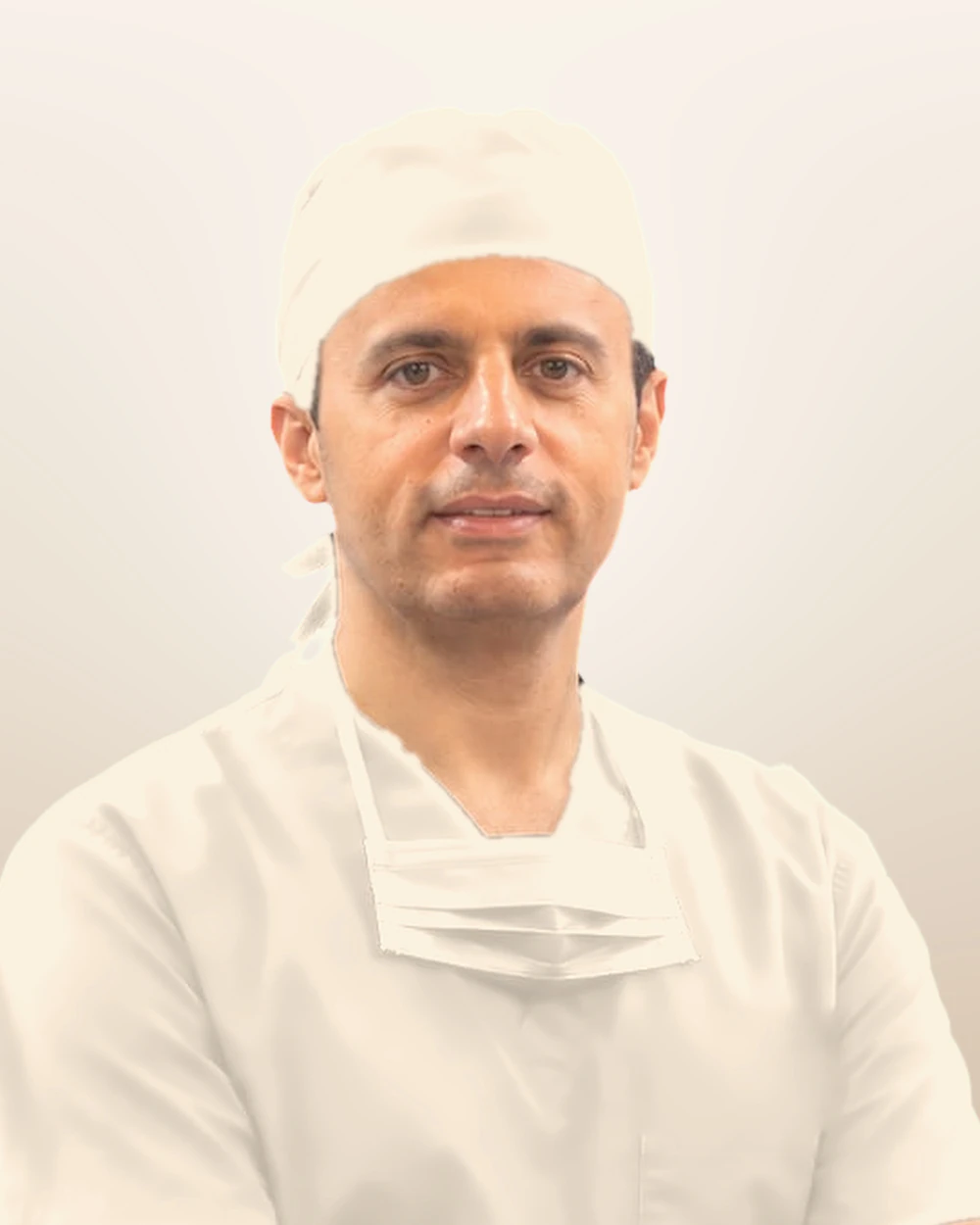 Portrait · Doctor
Dr. Raef Abdelraouf
Specialist plastic surgeon since 2017. Consultations at the clinic; surgery at a licensed partner hospital. DHA licence 56631723-002.
Pricing
Surgical pricing depends on the extent of the procedure, the anaesthesia and the facility. Message us on WhatsApp, or book a consultation and the surgeon will give you a written plan.
Ask about prices on WhatsAppFrequently asked questions
Which implant size is right for me?
The surgeon measures your chest and tissue and discusses sizes with you. Sizing is decided together at the consultation, not in advance.
Will I be able to breastfeed later?
Many women can, but some procedures can affect it. The surgeon explains the risk for the operation you are considering.
Do implants last forever?
No. They may need replacing or removing in the future; regular follow-up is advised.
Do I need a consultation first?
Yes. Surgery is only planned after an in-person assessment.
Related procedures
Results vary from person to person. This page is for general information only and does not replace a medical consultation. Treatment is provided only after a doctor has assessed your suitability.