
Overview
Cellulite dimples form where fibrous bands beneath the skin tether it to the deeper tissue. Creams, massage and exercise do not change those bands, which is why dimples often stay despite a healthy weight. Our cellulite treatment is a minimally invasive procedure in which the doctor identifies the bands responsible for each dimple and releases them with a specialised instrument through small entry points, under local anaesthesia.
It is designed for distinct, visible dimples on the buttocks and thighs. It does not tighten loose skin, smooth a generally uneven texture or reduce fat, and the doctor will say so at the consultation if a different approach suits you better. Details of the technique used are explained at the consultation or on WhatsApp.
What it treats
- Distinct cellulite dimples on the buttocks
- Distinct cellulite dimples on the back and outer thighs
- Dimples that persist despite a stable weight and regular exercise
What it does not treat
- Loose or sagging skin — this needs a different assessment
- A diffuse 'orange peel' texture without distinct dimples
- Excess fat — it is not a weight-loss or fat-reduction treatment
- Cellulite caused mainly by skin laxity after large weight loss
Who is it suitable for?
Adults with distinct cellulite dimples on the buttocks or thighs, close to a stable weight and in good general health. It is not recommended during pregnancy or breastfeeding, with an active skin infection in the area, with a bleeding disorder or blood-thinning medication that cannot be paused, or with a known tendency to heavy scarring. The doctor assesses each dimple individually; some may not be suitable.
The procedure is only offered after the doctor has assessed you in person and you have had time to consider the information.
What happens
- Consultationthe doctor examines the area standing and lying, marks the dimples that can be treated, and explains what the procedure can and cannot do, the risks and the recovery. Photos are taken for your medical record only.
- Planningpre-procedure instructions are given, including any medication to pause. You receive a written plan and consent form.
- Procedurethe area is numbed with local anaesthesia. Through small entry points, the doctor passes a fine instrument under the skin, confirms the band responsible for each marked dimple and releases it. Dressings and a compression garment are applied.
- Recoveryyou go home the same day with written instructions and scheduled follow-up visits.
Results and how they develop
Bruising and swelling hide the result at first; the treated dimples become clearer as these settle over the following weeks. Not every dimple responds equally, and new dimples can form elsewhere over time. The doctor explains at the consultation what a realistic outcome looks like for your case.
Results vary from person to person.
Recovery
Bruising is expected and can be noticeable in the treated area for a while; tenderness and swelling are common. A compression garment is worn for the period the doctor specifies. Most people return to light daily activities soon after, and to exercise when the doctor clears them. The small entry points usually heal to faint marks. Follow-up visits check healing.
Risks and side effects
Like any procedure performed under the skin, this treatment carries risks. All risks, and how they are managed, are discussed with you at the consultation before you consent.
Common
bruising that may be extensive, swelling, tenderness, temporary numbness, small marks at the entry points.
Uncommon
firmness or lumps under the skin, fluid or blood collection, infection, skin discolouration that can take time to fade, contour irregularity, incomplete release of a dimple.
Rare
injury to deeper structures, poor or thickened scarring, allergic reaction to the local anaesthetic.
Your doctors
Your consultation is with Dr. Raef Abdelraouf — Specialist Plastic Surgery (DHA licence 56631723-002) or Dr. Ali Ali — Specialist General Surgery (DHA licence 33470352-005). The doctor who assesses you plans and performs your treatment.
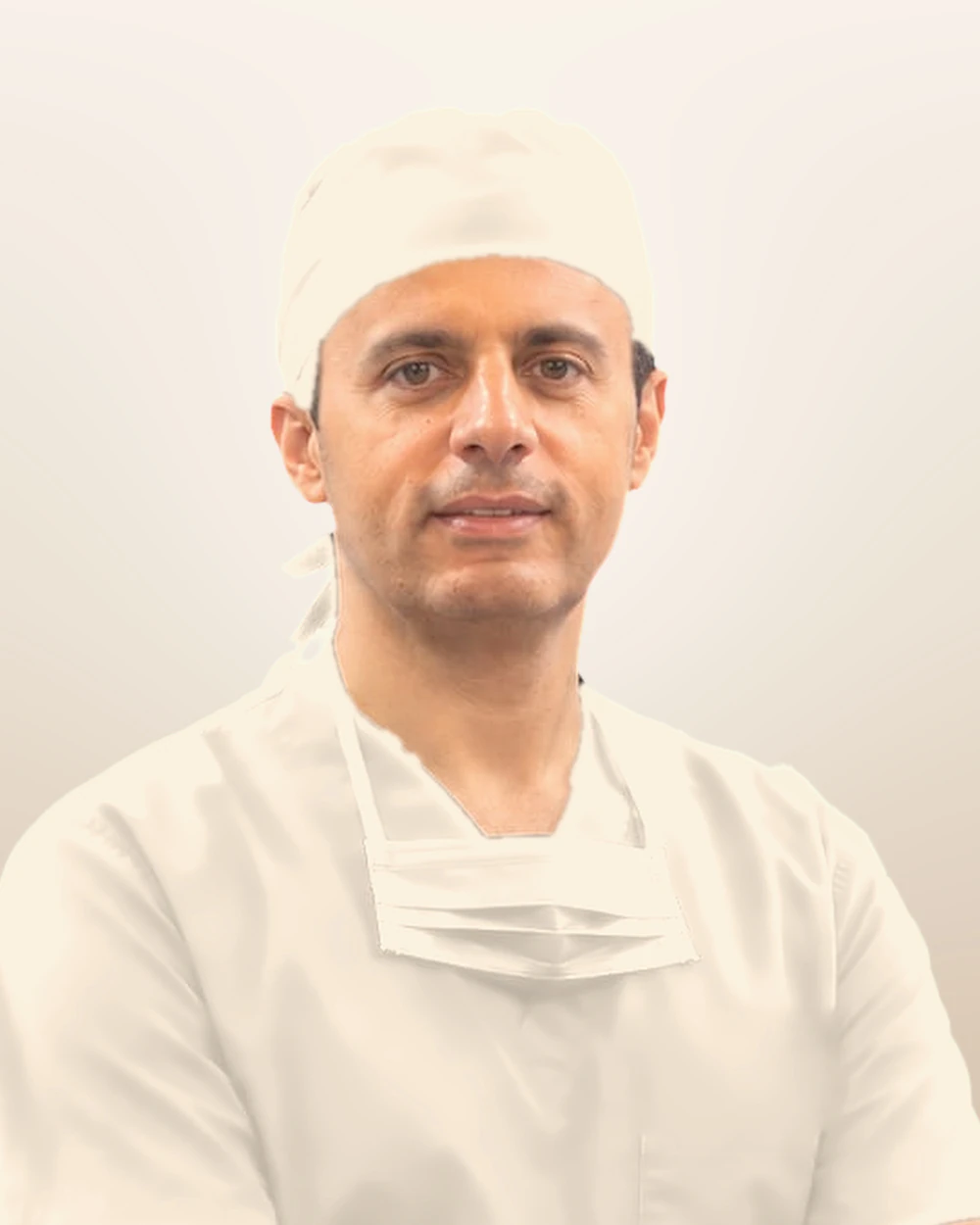 Portrait · Dr. Raef Abdelraouf
Dr. Raef Abdelraouf
Specialist plastic surgeon since 2017. Consultations at the clinic; surgery at a licensed partner hospital. DHA licence 56631723-002.
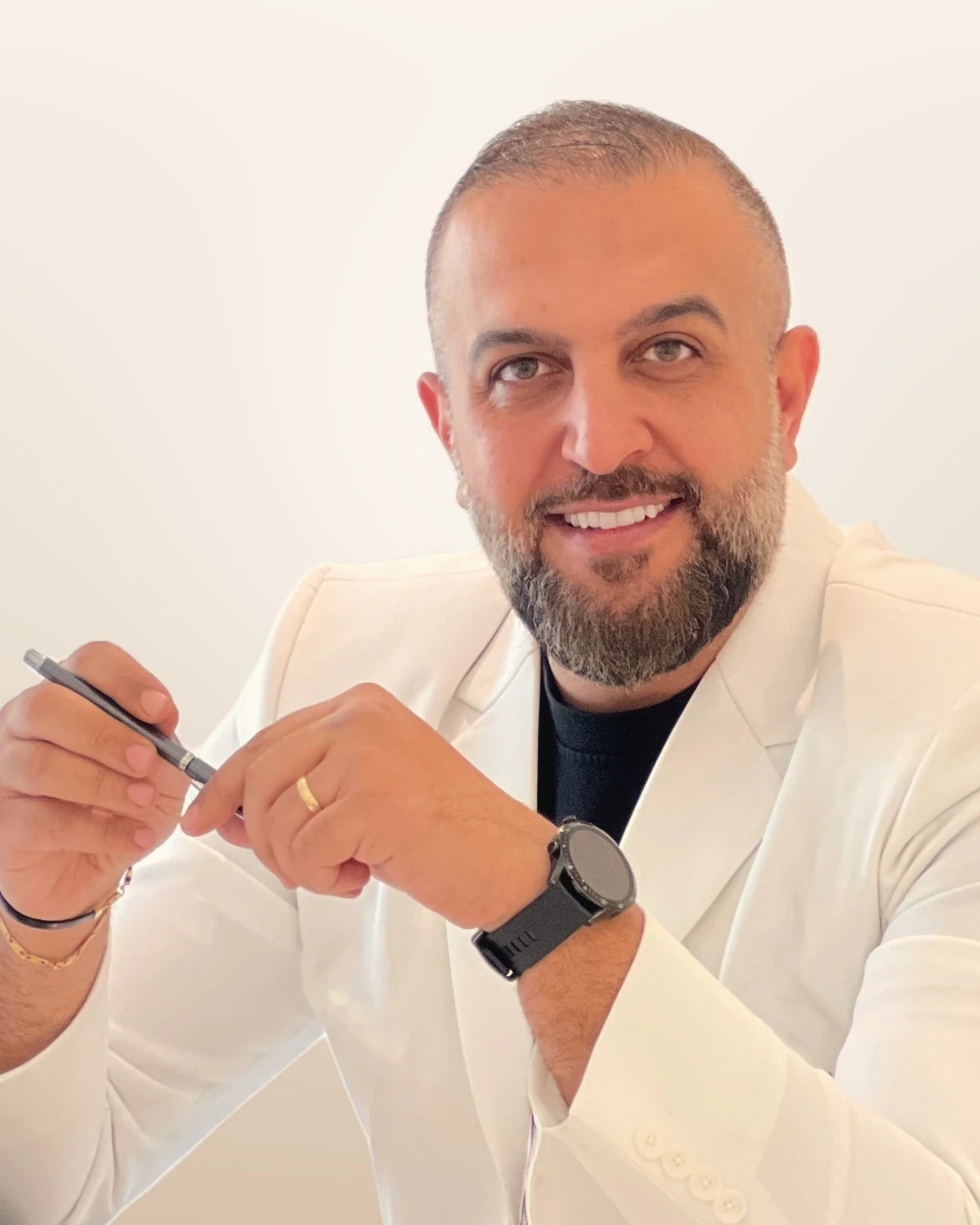 Portrait · Dr. Ali Ali
Dr. Ali Ali
Board-certified in General Surgery 2019; has practised surgery since 2014. At the clinic he practises within the scope of his DHA licence. DHA licence 33470352-005.
Pricing
Pricing depends on the number of dimples and areas treated. Message us on WhatsApp for a quote, or book a consultation and the doctor will give you a written plan.
Ask about prices on WhatsAppFrequently asked questions
Does this remove cellulite permanently?
No treatment can promise that. Releasing a band addresses that specific dimple, and the result can last; however, individual response varies and new dimples can develop elsewhere with time, weight change or ageing.
How many sessions are needed?
The treatment is planned as a procedure rather than a course of sessions; the number of dimples treated is decided with the doctor. Whether anything further is needed is reviewed at follow-up.
Does it hurt?
The area is numbed with local anaesthesia. Most people describe pressure and movement during the procedure rather than pain, and soreness afterwards that is managed with simple measures the doctor recommends.
Will I have scars?
The entry points are small and usually heal to faint marks. Scarring varies between people; tell the doctor if you have a history of thick scars.
Is it suitable for the thighs?
Yes, for distinct dimples on the back and outer thighs, as well as the buttocks. The doctor confirms which dimples can be treated.
How is it different from machines and massage treatments?
External devices and massage work on the surface and do not change the bands under the skin. This procedure releases the bands directly. The doctor explains which approach, if any, fits your type of cellulite.
Is cellulite the same as cellulitis?
No. Cellulitis is a skin infection that needs medical treatment; cellulite is the dimpled appearance of skin caused by bands under it, which this page is about.
Is the treatment safe?
It is a medical procedure and carries risks, including the uncommon and rare complications listed above. No treatment is risk-free. Before treatment, your doctor assesses your suitability, explains the risks and benefits for your case, and obtains your consent.
Related treatments
Results vary from person to person. This page is for general information only and does not replace a medical consultation. Treatment is provided only after a doctor has assessed your suitability.