
Overview
A tummy tuck, or abdominoplasty, removes loose skin and excess fat from the abdomen and, where the abdominal muscles have separated, brings them back together. It is most often considered after pregnancy or significant weight loss, when skin and muscle no longer recover with exercise alone.
At the clinic we offer the full tummy tuck, which treats the whole abdomen, repairs the muscles along their length and repositions the navel; liposuction of the waist is often combined with it to refine the contour. Whether it suits you is decided by the surgeon at the consultation. A tummy tuck is a contouring procedure, not a weight-loss treatment.
What it addresses
- Loose or overhanging skin on the lower abdomen, often after pregnancy or weight loss
- Separated abdominal muscles (diastasis recti) that cause a bulge despite exercise
- Excess fat of the abdomen and waist, usually with liposuction in the same operation
- Stretch marks and an old C-section scar located on the skin that is removed
What it does not do
- It does not treat obesity or replace weight loss
- It does not remove fat around the internal organs
- It does not remove stretch marks above the navel, which stay on skin that remains
- It does not replace exercise or a stable lifestyle, which the result depends on
Who is it suitable for?
Adults close to a stable weight, in good general health, who do not smoke or are willing to stop for the period the surgeon specifies, and who have realistic expectations. It is usually advised after you have finished having children, because a later pregnancy can stretch the repaired muscles and skin again. Uncontrolled medical conditions, a history of blood clots or planned pregnancy are discussed openly with the surgeon.
Surgery is only offered after the surgeon has assessed you in person and you have had time to consider the information.
What happens
- Consultationthe surgeon examines your abdomen, skin and muscles, discusses your goals and explains the options, limits and risks. Photos are taken for your medical record only.
- Planningpre-operative tests and instructions are arranged. You receive a written plan and consent form.
- Surgeryperformed at a licensed partner hospital under general anaesthesia. An incision is placed low across the abdomen, where underwear usually covers it; excess skin is removed, the muscles are repaired where needed, and the navel is repositioned. Drains may be used. The length of the operation and the hospital stay depend on the procedure and are agreed with you.
- Recoveryyou go home with written instructions, a compression garment and scheduled follow-up visits with your surgeon.
Results and how they develop
Swelling hides the final shape at first; the contour becomes clearer over the following months as swelling settles. The scar is red and raised early on and usually fades and flattens over time, although it is permanent. Maintaining a stable weight is important for the result to last.
Results vary from person to person.
Recovery
In the first days you will walk slightly bent forward and need help at home. A compression garment is worn for the period the surgeon specifies. Discomfort is managed with prescribed medication. Heavy lifting, strenuous exercise and driving are avoided until your surgeon clears you; when you can return to work depends on your job and your recovery. Follow-up visits are scheduled to check healing and the scar.
Risks and complications
All surgery carries risks, including those of anaesthesia. Combining procedures, for example with liposuction, can increase them. Your surgeon discusses every risk, and how it is managed, at the consultation before you consent.
Common
swelling, bruising, discomfort, numbness of the lower abdomen that may persist, a permanent scar that fades over time.
Uncommon
bleeding, infection, fluid collection (seroma), delayed wound healing, asymmetry or small folds at the ends of the scar, changes to the navel's shape, the need for a revision procedure.
Rare but serious
blood clots in the legs or lungs, anaesthesia complications, loss of skin at the wound edges, poor or thickened scarring.
Your doctor
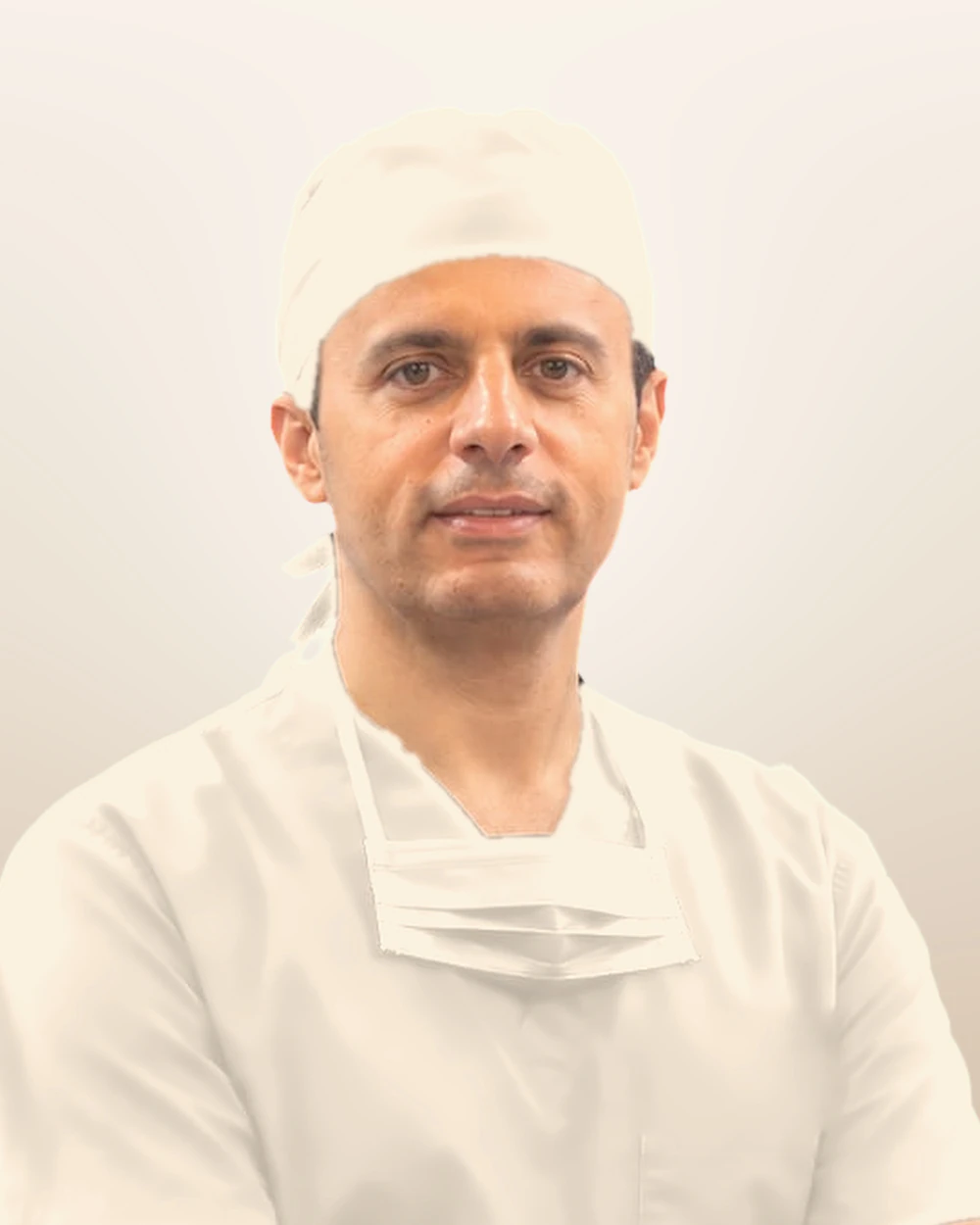 Portrait · Dr. Raef Abdelraouf
Dr. Raef Abdelraouf
Specialist plastic surgeon since 2017. Consultations at the clinic; surgery at a licensed partner hospital. DHA licence 56631723-002.
Pricing
Surgical pricing depends on the extent of the procedure, the anaesthesia and the facility. Message us on WhatsApp, or book a consultation and the surgeon will give you a written plan.
Ask about prices on WhatsAppFrequently asked questions
Do you offer a mini tummy tuck?
No. The clinic performs the full tummy tuck only, which treats the whole abdomen, repairs the muscles and repositions the navel. If your looseness is limited and a smaller procedure might suit you better, the surgeon tells you honestly at the consultation.
Can I have a tummy tuck after a C-section?
Often yes. The tummy tuck incision is usually placed at or near the C-section scar, so the old scar can be removed with the excess skin. The surgeon assesses your scar and healing at the consultation.
Should I wait until I have finished having children?
It is usually advised, because pregnancy after a tummy tuck can stretch the repaired muscles and skin again. Discuss your plans openly with the surgeon.
Is a tummy tuck combined with liposuction?
Frequently. Liposuction of the waist and flanks in the same operation refines the contour. Whether it is appropriate for you is part of the surgical plan.
Is there a non-surgical tummy tuck?
No device removes loose skin or repairs separated muscles. Where skin quality is good and the concern is fat only, liposuction or skin-tightening options may be discussed instead. The surgeon tells you honestly which applies.
Will I have a scar?
Yes. The scar runs low across the abdomen and around the navel. It is permanent but is placed where underwear usually covers it and typically fades over time.
Does a tummy tuck help me lose weight?
No. It removes excess skin and some fat to reshape the abdomen. It is not a treatment for obesity, and the result depends on keeping a stable weight afterwards.
Where is the surgery performed?
At a licensed partner hospital, under general anaesthesia. Consultations and follow-up visits take place at our clinic in Jumeirah.
Related treatments
Results vary from person to person. This page is for general information only and does not replace a medical consultation. Treatment is provided only after a doctor has assessed your suitability.